goldcoastloans.com.au Tide table for a Gold Coast purchase

Queensland · Gold Coast

Gold Coast loans: the papers beside a home loan

Read a Gold Coast purchase like a tide table

Some papers come in to a buyer before the contract is signed. Some deadlines go out from the buyer before and after settlement. This guide sets them in order, from the Queensland Government, the City of Gold Coast and the state’s building regulator, so the property side of a home loan can be read at a glance.

A guide published by Dotto. General information, not financial or legal advice: it does not arrange loans or give financial advice. The times on this page are stages of a purchase, never clock times, and each guide names the official place to check.

A tide curve drawn across the page, rising and falling twice, with six numbered markers on it for the six guides listed below 1 2 3 4 5 6
The six guides, marked on a drawn tide curve. It is a drawing, not a forecast.
  1. The seller disclosure statementWhat a seller must hand over before the contract is signed, and what it leaves out.
  2. Body corporate levies and sinking fundsHow a unit’s levies are set, and what the two funds pay for.
  3. Flood information for a propertyThe City of Gold Coast’s flood maps and its flood level search report.
  4. The first home owner grantWho can receive it, for which homes, and when it is paid.
  5. Boost to BuyQueensland’s shared equity scheme, and where its places stand for the Gold Coast.
  6. Building and pest inspectionsWho may inspect, what the report covers, and the inspection just before settlement.

The tide table

Read it top to bottom. “In” is something that comes to the buyer. “Out” is something the buyer does, or a deadline the buyer meets. Rows marked for a scheme apply only to people using that scheme.

A Queensland purchase, in order, with where each rule is written
WhenIn or outWhatRead
Before the contract is signedInThe seller disclosure statement (form 2) and the prescribed certificates that apply to the lot. Guide 1
Before signing, for a lot in a community titles schemeInA body corporate certificate and the community management statement. The certificate shows the levies the owner will pay. Guide 2
Before negotiations startOutBuilding and pest inspections, which the Queensland Government suggests arranging early so their findings can be weighed before an offer. Guide 6
Before signingOutA flood check, through the City of Gold Coast’s flood maps or its flood level search report, because the disclosure statement does not have to cover flooding history. Guide 3
5 business days from receiving the contract signed by both sidesOutThe cooling-off period under the standard contract, which ends at 5pm on the fifth day. Auctions have none. Queensland Government
Within 3 days of signing (Boost to Buy only)OutThe contract of sale and the insurance certificate go to the scheme’s lender for final approval. Guide 5
2 to 3 days before settlementOutA pre-settlement inspection, to see the property is in the same condition as when the contract was signed. Guide 6
Settlement (grant applied for through a bank or lending institution)InFor buying a new home, Queensland Revenue Office says the first home owner grant is generally paid at settlement when the application goes through an approved agent. Guide 4
Within 90 days of settlement, if the seller had no pool safety certificateOutBring the pool up to standard and apply for a pool safety certificate. For a shared pool, the body corporate does this. Guide 6
Within 1 year of possession and title registrationOutThe last day to apply for the first home owner grant when buying a new home, and the window to move in, followed by 6 months of continuous living there. Guide 4
At least 2 years from settlement (Boost to Buy only)OutThe shortest stay before a participant can leave the scheme by selling or repaying the government’s share in full. Guide 5

Low water: what the disclosure statement leaves out

At low tide you see the sand the water was covering. For contracts signed since 1 August 2025, Queensland sellers have had to give buyers a disclosure statement and certificates before the contract is signed. The Property Law Regulation 2024 sets a warning the statement must carry: it does not include information about seven matters, and buyers are encouraged to make their own inquiries about them before signing. In the Regulation’s order:
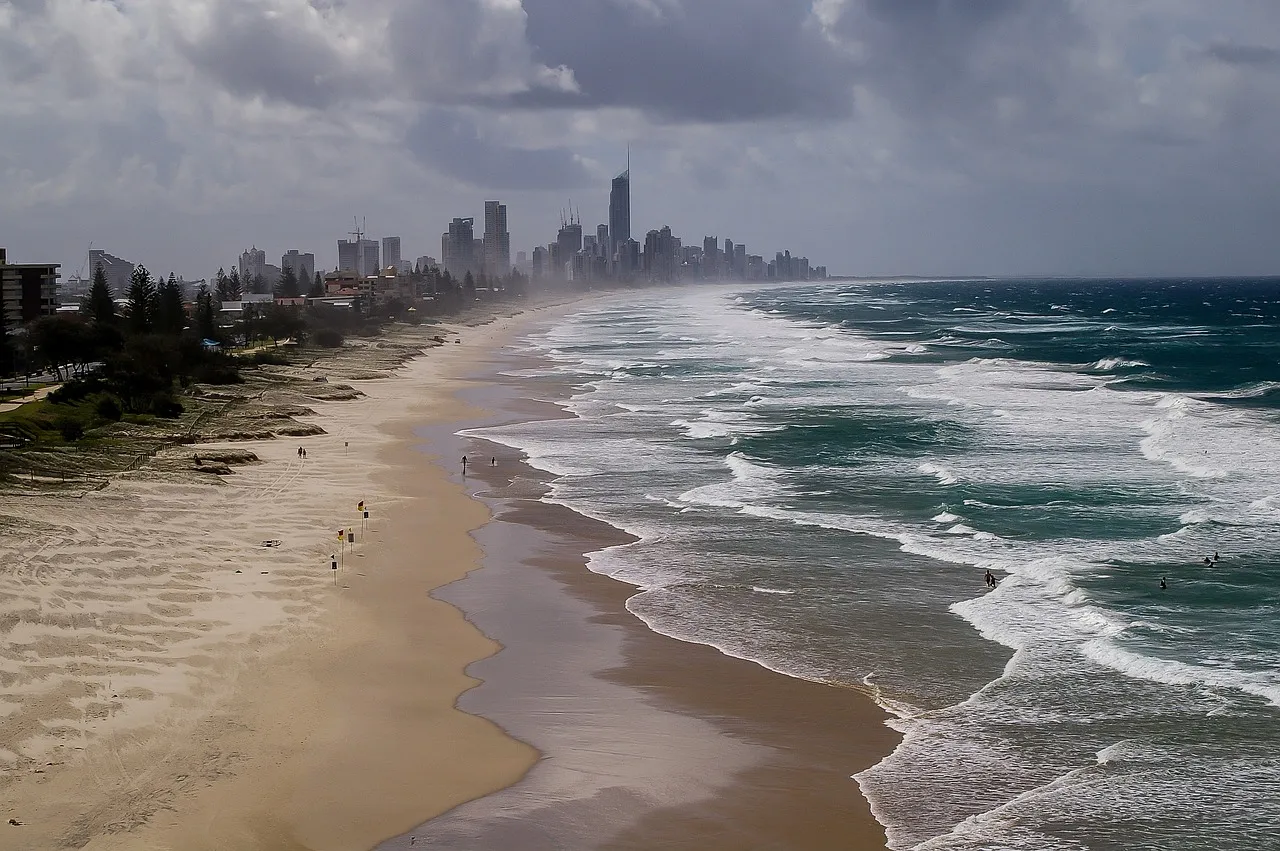
A long Gold Coast beach seen from above under heavy cloud, wet sand along the waterline, a few red and yellow flags on the sand, and high-rise towers in the distance
Wet sand, red and yellow flags and the towers beyond, on a cloudy day. Photo by sandid on Pixabay.

The Asbestos and Silica Safety and Eradication Agency’s advice for householders says it is “not recommended that you handle or remove asbestos yourself”, and that getting a professional to do the job is easier, safer and often cheaper. It adds that all asbestos waste must go to a landfill licensed to accept it. In Queensland, asbestos waste is regulated waste: it has to go to a landfill that can lawfully receive it, and putting it in a household garbage bin is illegal. Our guide to building and pest inspections covers what to do about asbestos.

The same warning says a buyer may not be able to end the contract if these matters are discovered after signing. Read more about the scheme on the Queensland Government’s page on the seller disclosure scheme.

Where a loan meets these papers

Four points from the official pages where the property side and the money side touch.

Sources for this page